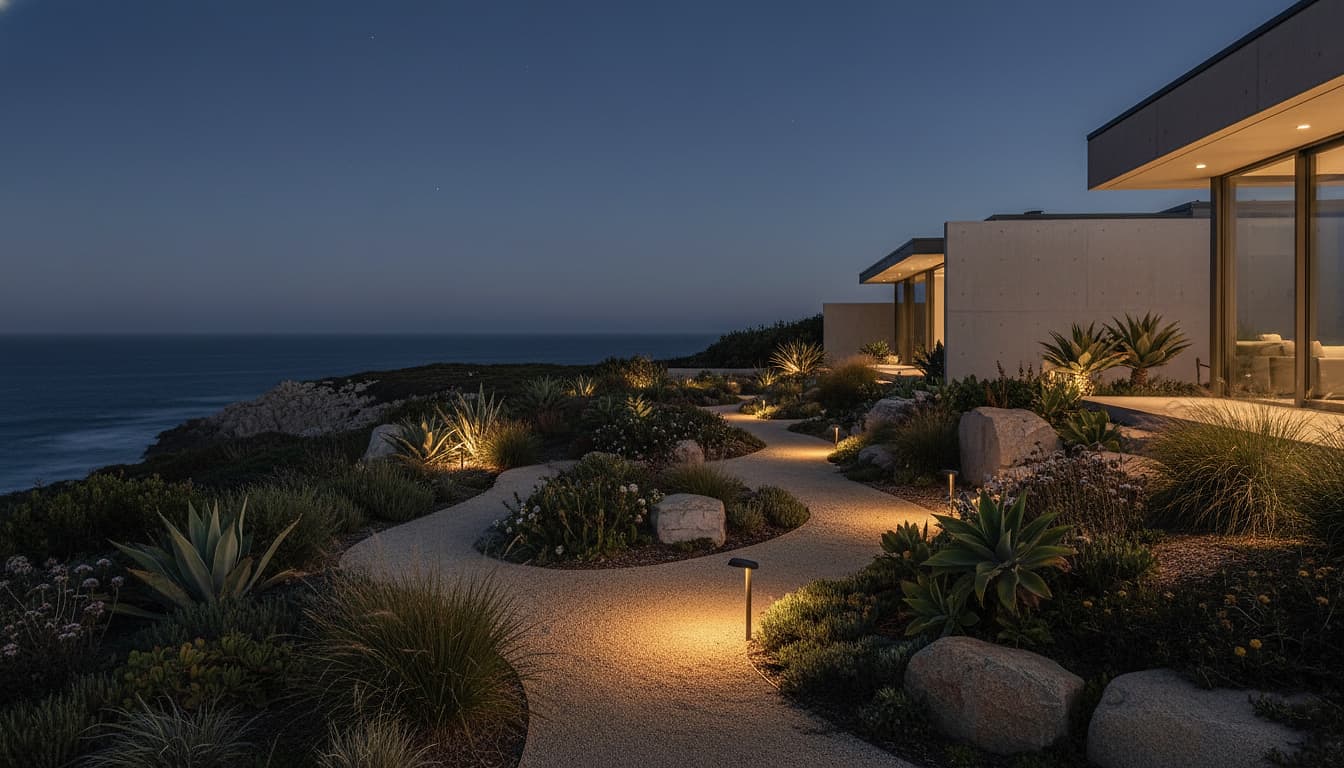
Detect earlier, react sooner.
Perimeter beams that give you a heads-up before anyone reaches the building, placed thoughtfully to minimise false alarms.
At a glance
What we plan, where it shows up, and how we approach it.
A scannable summary before the detail.
- Early warning ahead of the building line
- Perimeter movement detection at sensible heights
- Coverage for garden routes and approach paths
- Beam placement chosen to reduce false triggers
- Integration with the alarm system and cameras
What this layer does
- Early warning ahead of the building line
- Perimeter movement detection at sensible heights
- Coverage for garden routes and approach paths
- Beam placement chosen to reduce false triggers
- Integration with the alarm system and cameras
Where it is useful
- Garden boundaries and fence lines
- Driveway approaches and pedestrian gates
- Side passages and blind spots
- Estate perimeters and shared boundaries
How Coastal plans it
- Walk the perimeter and identify approach routes
- Choose beam types and ranges per environment
- Account for plants, animals and weather
- Install, align and test at the right times of day
- Tune sensitivity and tie into the alarm where required
“Good beam placement is the difference between an alert and a false alarm.”
The approach
How we plan and install.
A deliberate process from the first walk-through to a system you understand and can live with.
Walk the perimeter
We trace the natural approach routes — the spots someone would actually use, not the ones a brochure would suggest.
Choose beam types
Range, height and beam profile change depending on whether we're watching a long fence line or a short side passage.
Plan for the environment
Plants move, animals roam, weather happens. Placement and beam choice account for all of it.
Install and align
Aligned at the right times of day, with a calibration walk-through at first install.
Tune and integrate
Sensitivity adjusted on site, then tied into the alarm panel where that adds value.
In context
Where it shows up in real properties.
A few of the everyday situations we plan around.
Garden boundaries
Perimeter coverage along fence lines and hedges, with beam paths chosen to clear typical planting.
Driveway approaches
Pickup of vehicles or pedestrians moving up the drive, before they reach the building line.
Side passages and blind spots
Narrow runs between buildings or fences where someone could move unseen — covered cleanly with shorter-range beams.
Estate perimeters
Long shared boundaries planned with the body corporate or HOA in mind, with clear demarcation.

Why placement matters
False alarms erode trust.
Beams that trip every time the wind picks up stop being useful — you'll start ignoring them. We'd rather take longer at install to choose the right beam in the right spot than leave you hitting 'cancel' every other night.
Frequently asked
Questions, answered plainly.
Good placement and the right beam type minimise false triggers. We position beams above small-animal height where possible and choose dual-beam configurations for sensitive spots.
We choose beams suited to coastal weather and tune sensitivity on site. No beam is immune to extreme conditions, but the right setup handles a Cape winter without crying wolf.
Yes — on integrated systems, a beam trip can flag the relevant camera for review or trigger a wider alarm response. We'll discuss what your panel supports.
Common outdoor beams run from short-range (around 20m) up to ~60m or more, depending on the model. We choose for the line of sight at each placement, not the spec sheet maximum.
Related layers
Often planned alongside.
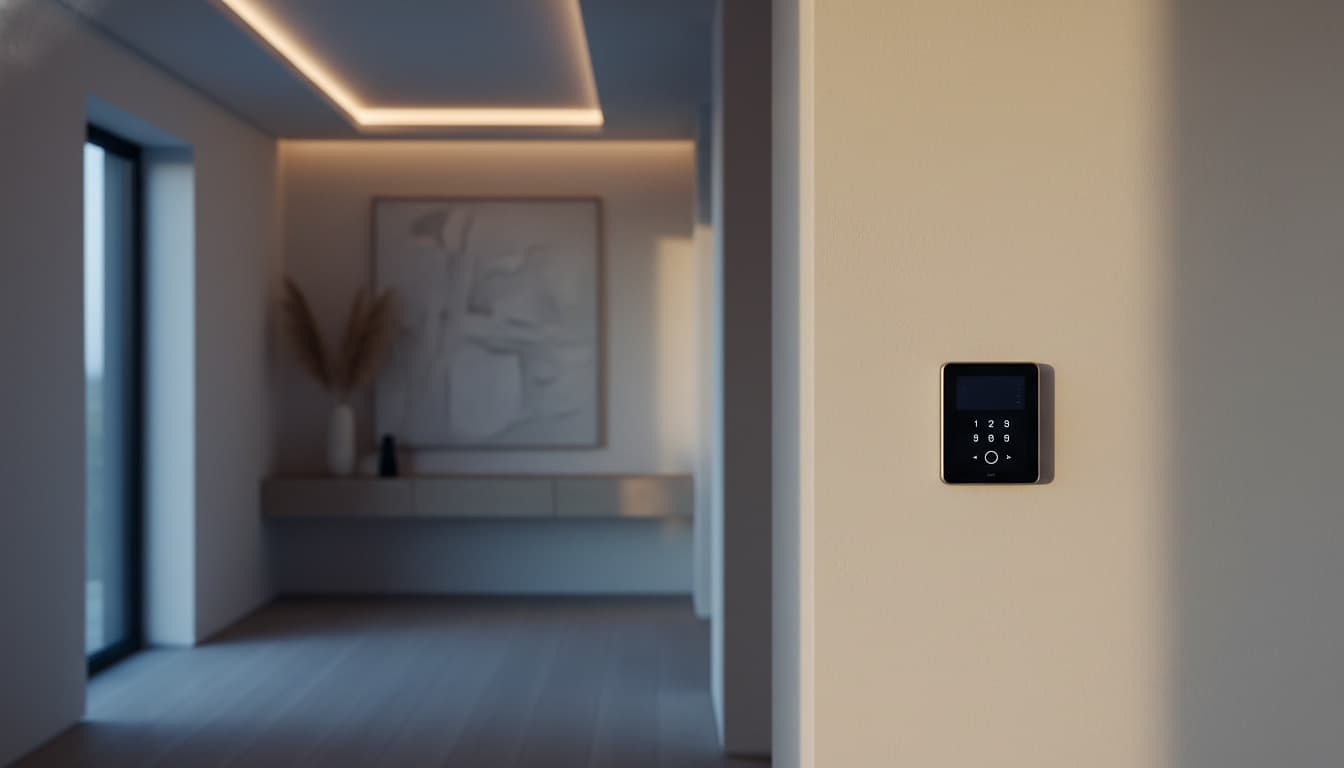
Alarm Systems
Zoned alarm systems with sensors, sirens and keypads, planned to integrate with beams and the rest of your security setup.
Learn more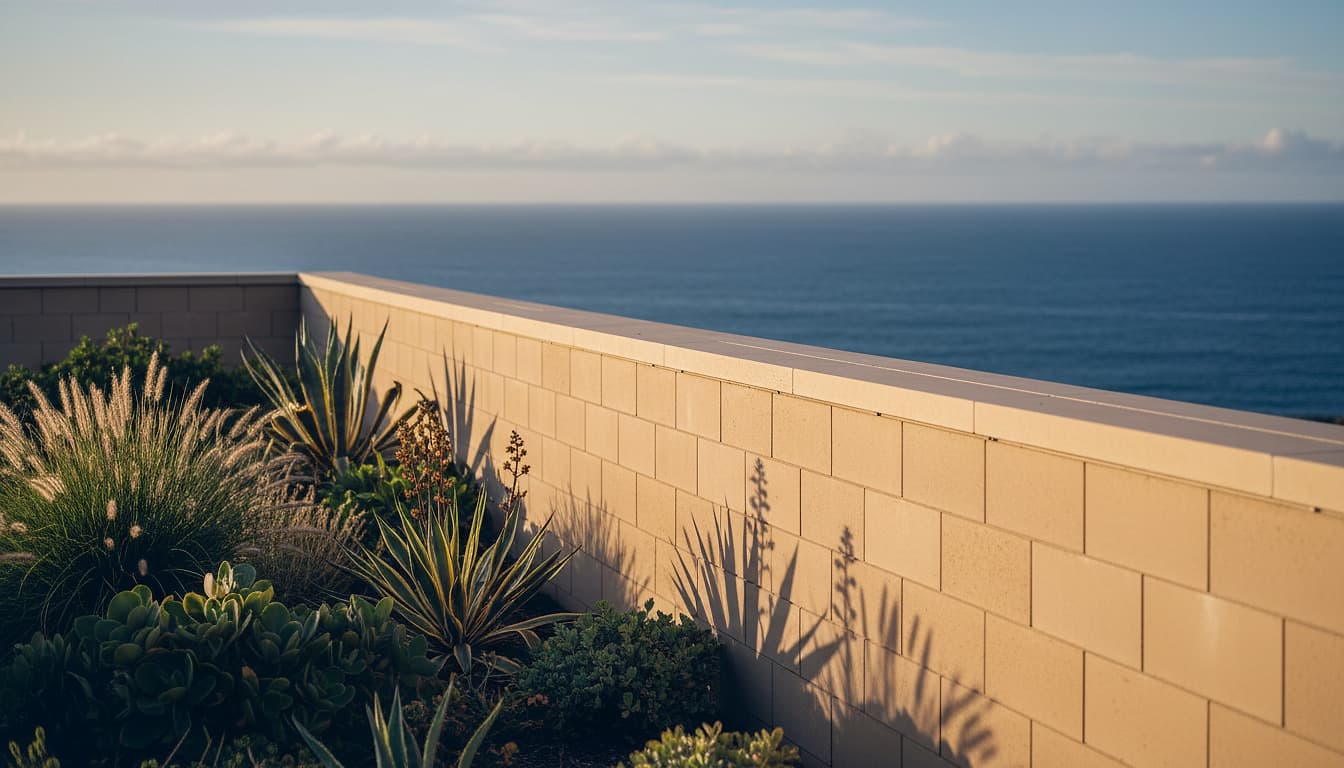
Electric Fencing
Boundary protection installed neatly and thoughtfully on homes, estates, smallholdings and businesses.
Learn more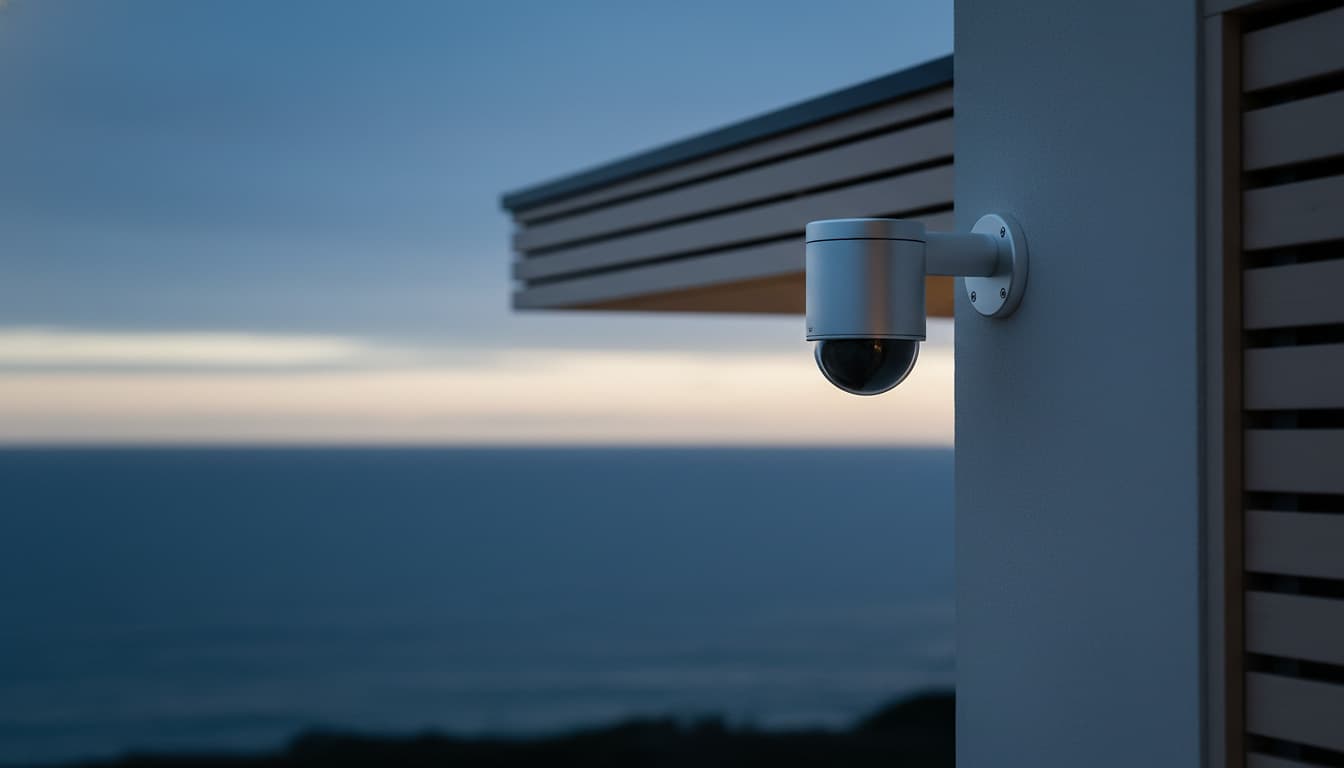
CCTV Camera Systems
Considered camera coverage for entrances, driveways, perimeters and key internal areas, with remote viewing on compatible systems.
Learn moreGet in touch
Ready to plan your security system?
Send through your details and Coastal Security Systems will help you work out the right setup for your property.