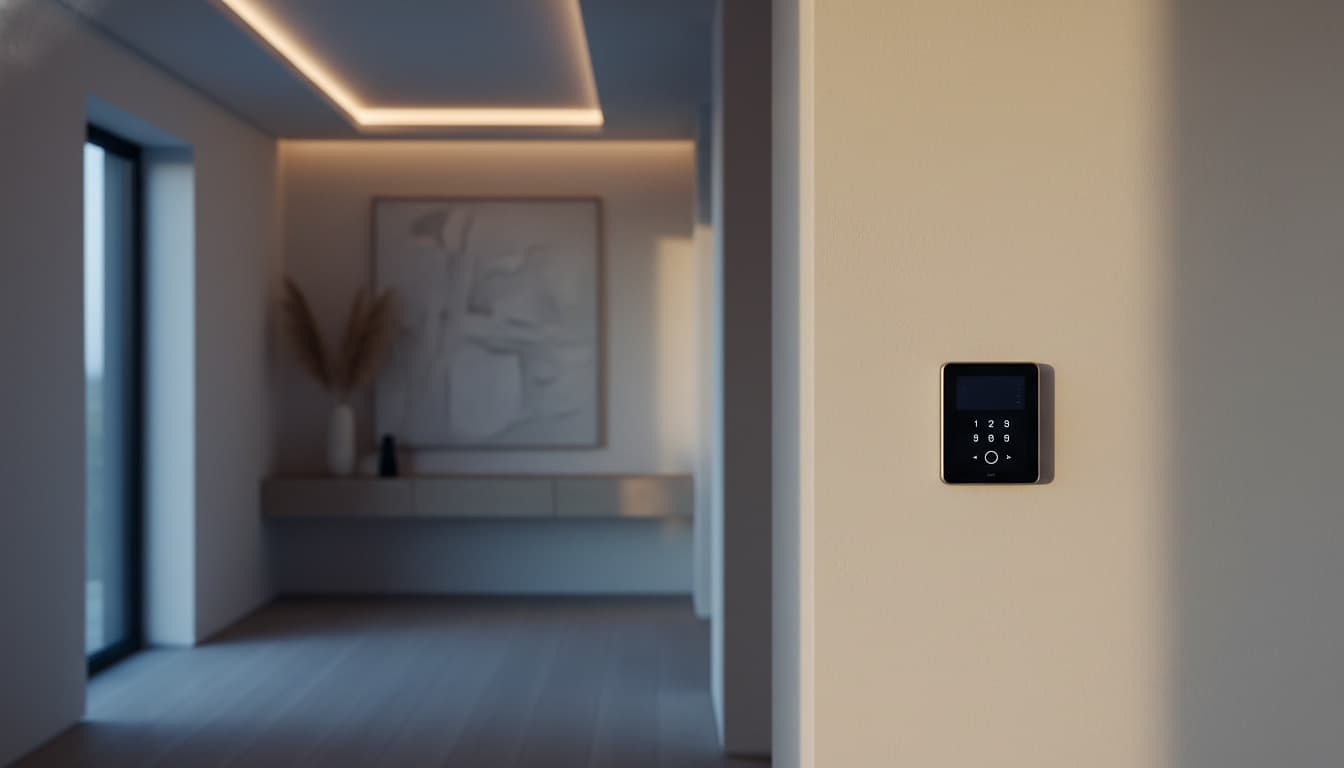
Zones, sensors and clear control.
Alarm systems planned around how the property lives — sensible zones, sensors that suit each space, and clear keypads and indicators.
At a glance
What we plan, where it shows up, and how we approach it.
A scannable summary before the detail.
- Zoning that matches how the home or business actually operates
- Indoor and outdoor sensors selected for the environment
- Sirens, strobes and audible indicators where appropriate
- Keypads positioned for intuitive arming and disarming
- Integration with beams, cameras and access control where helpful
What this layer does
- Zoning that matches how the home or business actually operates
- Indoor and outdoor sensors selected for the environment
- Sirens, strobes and audible indicators where appropriate
- Keypads positioned for intuitive arming and disarming
- Integration with beams, cameras and access control where helpful
Where it is useful
- Living areas, bedrooms and home offices
- Outbuildings, garages and storerooms
- Reception, back-of-house and stockrooms
- Estates and complex common areas
How Coastal plans it
- Map the natural zones of the property
- Recommend sensor types per zone
- Position keypads and sirens thoughtfully
- Install and configure with the resident or operator
- Walk through arming, disarming and zone behaviour at handover
“An alarm should be intuitive at 2am. That's the test.”
The approach
How we plan and install.
A deliberate process from the first walk-through to a system you understand and can live with.
Map the natural zones
Bedrooms, living areas, outbuildings — each zone behaves differently. The system should reflect that.
Choose sensors per zone
Different rooms call for different sensors. We choose for the environment, not a one-size kit.
Position keypads thoughtfully
Where you actually pause when you come in or leave. Tucked away enough to be elegant, obvious enough to be intuitive.
Configure with you
Arming modes that match your daily routine — sleep mode, away mode, partials, exclusions.
Walk through it together
We'd rather spend twenty minutes at handover than leave you guessing at the keypad later.
In context
Where it shows up in real properties.
A few of the everyday situations we plan around.
Family homes
Sensible day/night zoning so you can arm parts of the home without tripping over your own movement.
Estate and complex residences
Zoning that suits both the residence and shared common areas, with clear handover to the body corporate where relevant.
Outbuildings and garages
Detached spaces that often get overlooked — covered with sensors suited to the environment.
Small businesses
Reception, back-of-house and stockroom zoning that matches how the business actually opens and closes.
Living with it
Calm at the keypad.
Most alarms get judged the first time something goes bump in the dark. We design for that moment — clear zone names, obvious indicators, and arming modes that don't require a manual.
Frequently asked
Questions, answered plainly.
Yes — that's standard practice. Night mode usually keeps perimeter and outdoor sensors armed while leaving the living areas free for movement. We'll work the modes out with you.
Most modern alarm panels include battery backup that holds the system through normal outages. We'll discuss how long that lasts and whether you want any other parts of the system on backup too.
On compatible systems, yes — for example, a triggered zone can flag the relevant camera for review. We'll explain what your existing equipment supports.
Yes, with the right sensor selection. Outdoor and detached spaces have different needs — humidity, temperature swings, animals — and we choose accordingly.
Related layers
Often planned alongside.
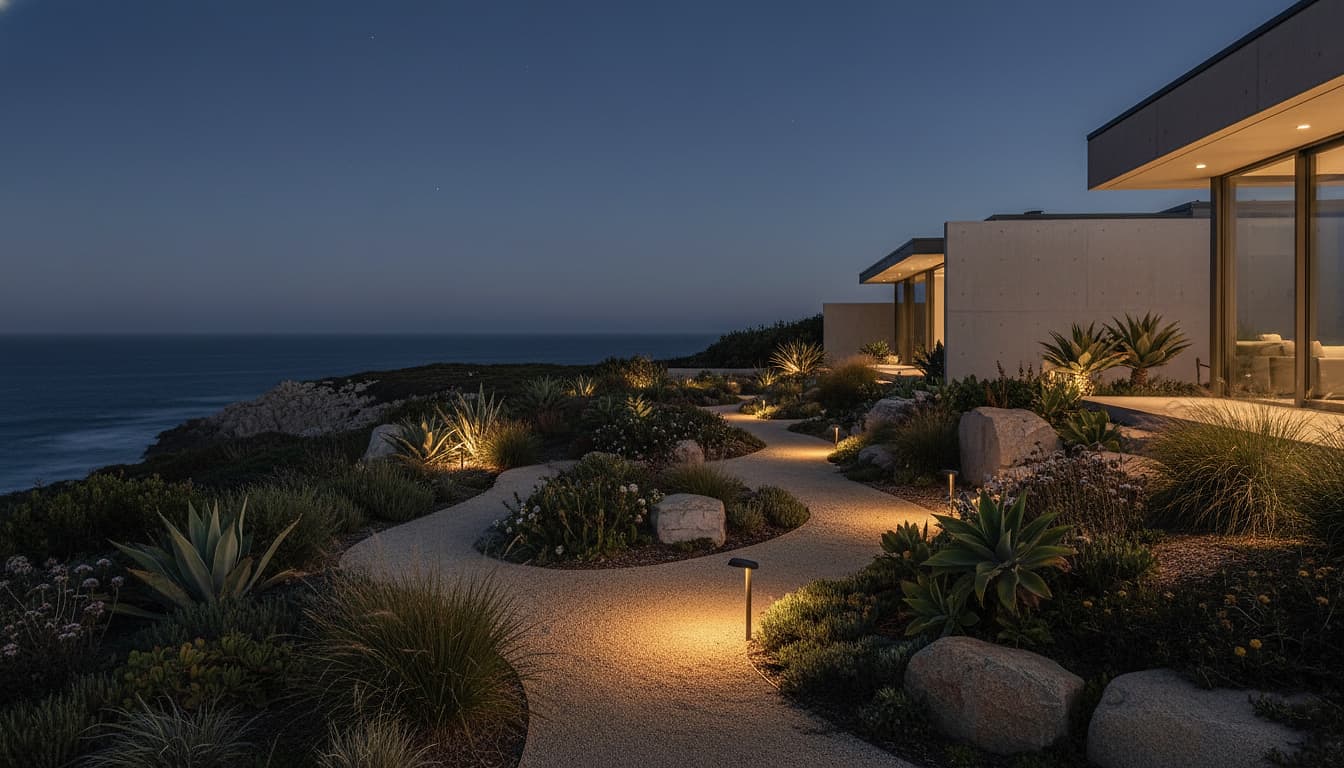
Outdoor Beams
Perimeter beam detection that gives early warning before someone reaches the building, placed to minimise false alarms.
Learn more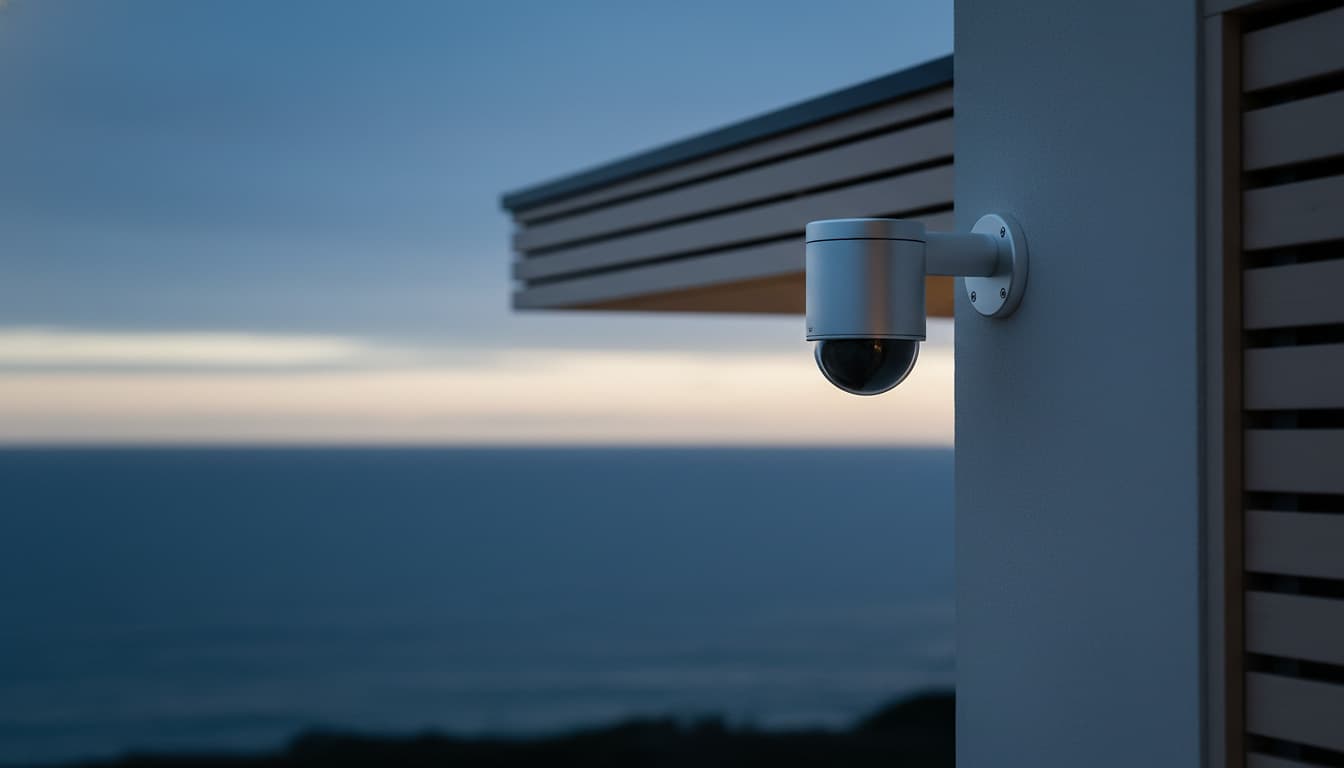
CCTV Camera Systems
Considered camera coverage for entrances, driveways, perimeters and key internal areas, with remote viewing on compatible systems.
Learn more
Security Maintenance
Repairs, system health checks, beam alignment and false-alarm troubleshooting on existing systems.
Learn moreGet in touch
Ready to plan your security system?
Send through your details and Coastal Security Systems will help you work out the right setup for your property.